
Healthcare Engineering Built for Regulated Ecosystems
An engineering practice purpose-built for healthcare — patient services, interoperability, clinical systems, operational intelligence, and AI delivered with HIPAA-, SOC 2-, and HITRUST-grade rigor.
The problem worth engineering for
Healthcare is the hardest place in technology to ship well. The data is fragmented, the consent is granular, the compliance is non-negotiable, and the consequences of a bug are clinical. Generic IT services models break here. We engineer for it — embedded AI, interoperability-first, governance baked in — because that is the only model that survives a real production incident at 2am.
How we engineer Healthcare Engineering
Embedded AI Delivery
AI is not a layer we add — it is engineered into the system from architecture through QA, with HITL guardrails by default. Reviewers see the model's evidence; auditors see the lineage; clinicians see only what they need to decide.
Interoperability-First
FHIR R4, HL7 v2, CDA, and X12 are native to our reference architectures — not retrofitted. Bulk data, subscriptions, and SMART on FHIR are part of the day-one design.
Governed Workflows
Every workflow is observable, auditable, and continuously validated. Configuration changes are versioned; approvals are evidence-backed; rollback is a button, not a story.
HITL by Design
Clinician- and operator-in-the-loop reviews are first-class concerns, not afterthoughts. The reviewer surface is engineered for the volume the workflow actually produces — not the demo case.
Continuous Validation
GxP-aligned engineering and CSV evidence generated continuously from CI. Validation stops being a quarterly campaign and becomes a steady state.
Patient Privacy
Consent, minimum-necessary, and de-identification engineered end-to-end. PHI flows are explicit, propagated, and revocable across the system boundary.
How we deliver Healthcare Engineering
An engineering operating model — not a slide pack.
Co-define the clinical or operational outcome, the regulatory perimeter, and the data realities that constrain the design space.
Interoperability-first reference architecture — FHIR R4, HL7 v2, CDA, X12 — with explicit data and consent contracts.
Engineer the workflow, the reviewer surface, and the AI layer with HITL, observability, and audit baked in.
GxP-aligned validation and continuous CSV evidence from CI, not from binders.
Run the system alongside the customer — SRE, AI observability, and managed compliance as a steady state.
Operating within healthcare's regulatory fabric
We build, validate, and run against the standards and systems your auditors, clinicians, and partners already rely on.
Where we've engineered Healthcare Engineering

Real World Data Analytics Platform for Clinical Insights
Engineered a real-world data analytics platform unifying claims, EHR, and lab data into clinical insights for life-sciences research.

Healthcare Data Platform Modernization for Scalable Analytics
Modernized legacy healthcare data warehousing onto a cloud-native lakehouse with built-in governance and lineage.
Automating Medicare Cost Reporting
Automated Medicare cost reporting pipeline with reconciliation and CMS submission readiness.
Our point of view on Healthcare Engineering
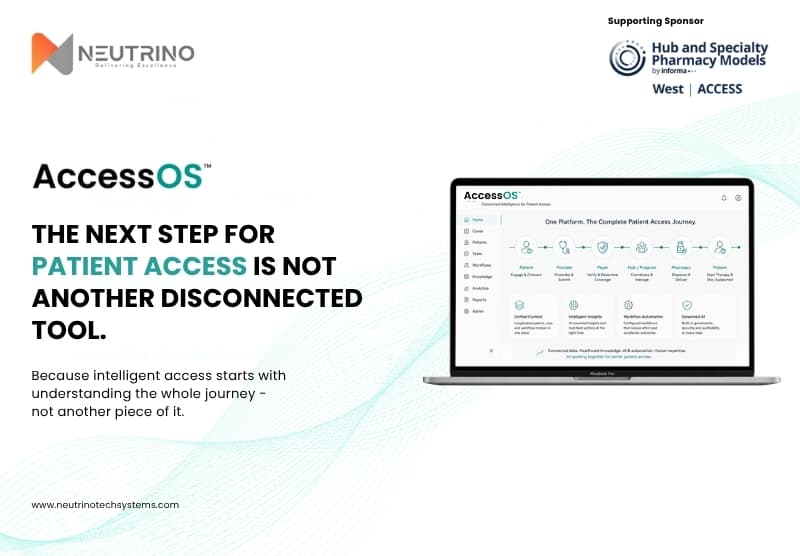
Where AI Meets Context: The Future of Intelligent Patient Access
AI is becoming part of nearly every patient access workflow, yet fragmentation across CRMs, hub platforms, payer portals, and EHRs persists. Here's why intelligence alone isn't enough — and how connecting AI to the full context of the patient journey turns insight into action.
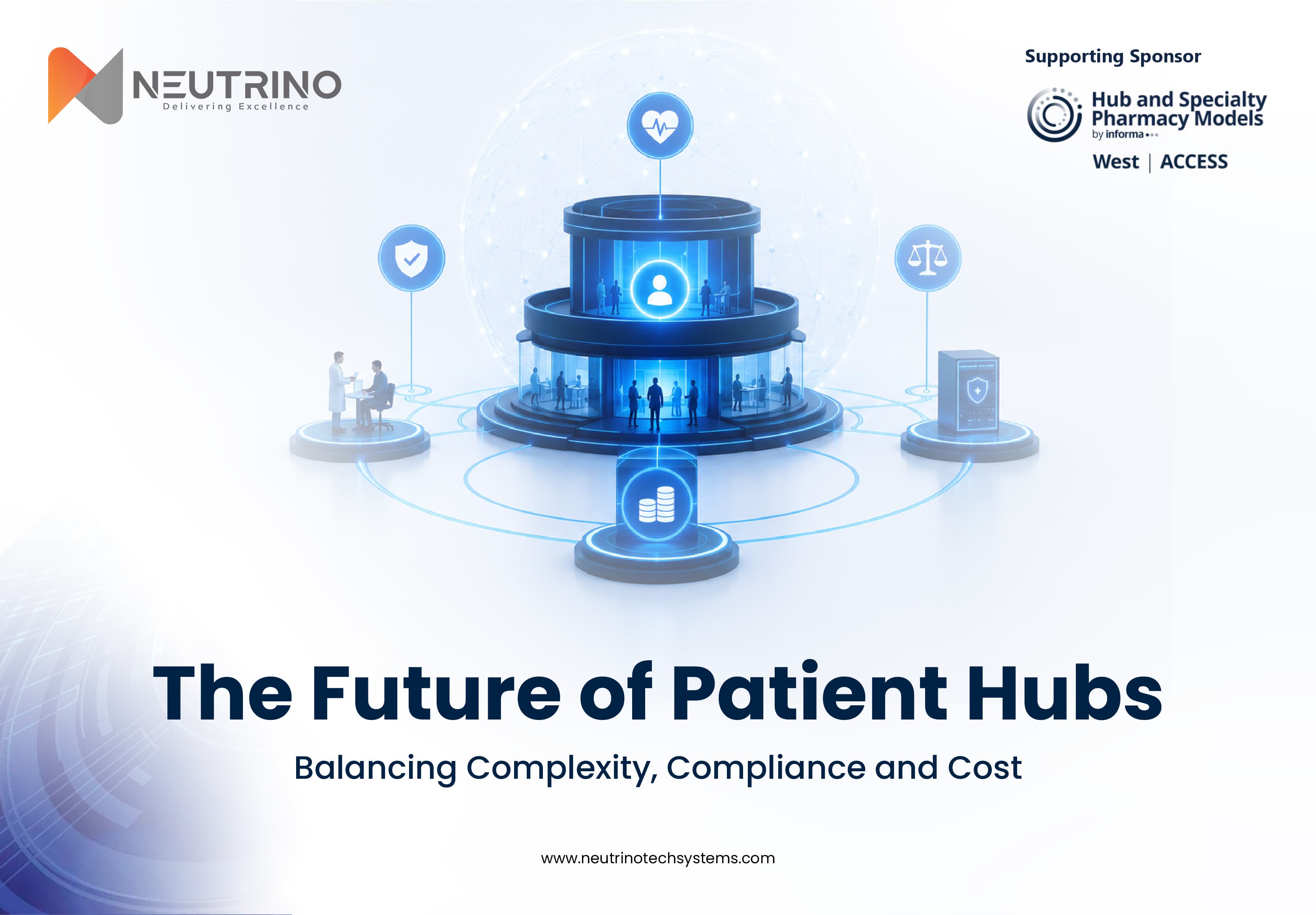
The Future of Patient Hubs: Balancing Complexity, Compliance, and Cost
Patient hubs have evolved into strategic touchpoints connecting manufacturers, providers, specialty pharmacies, payers, and patients. As the hub services market accelerates toward $10 billion by 2035, here's how healthcare leaders can scale operations without letting complexity, compliance, and cost undermine patient outcomes.
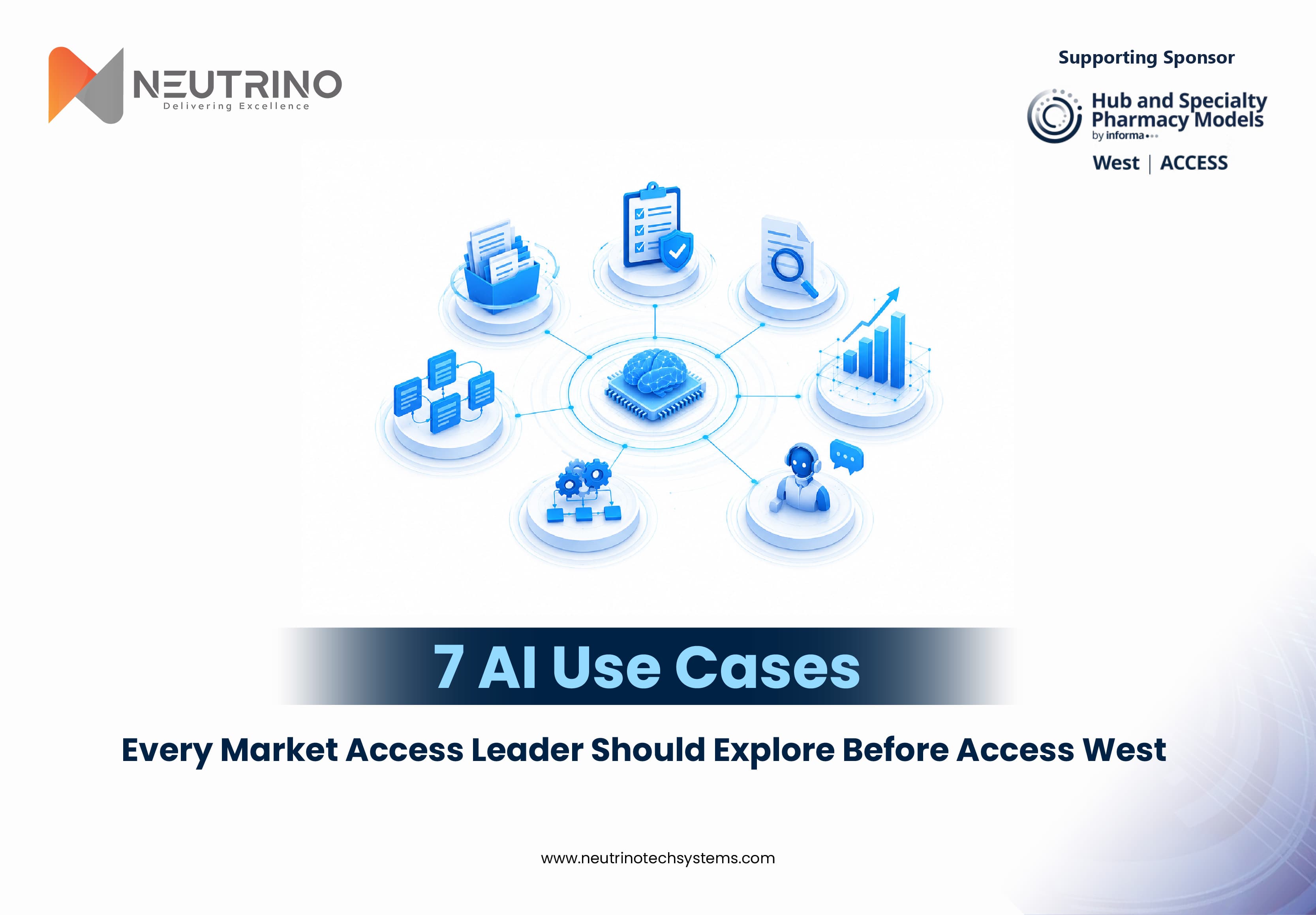
7 AI Use Cases Every Market Access Leader Should Explore Before Access West
Market access has never been more complex — rising administrative workloads, evolving payer requirements, and mounting pressure to accelerate patient access are pushing healthcare organizations to rethink how they operate. Here are seven AI use cases reshaping the market access journey ahead of Access West.
Specialty Pharmacy Prior Authorization and the Growing Disconnect in Patient Access
Specialty therapies are advancing at an unprecedented pace, reshaping treatment across oncology, autoimmune disorders, and rare diseases — but patient access remains trapped within fragmented systems.
Key Takeaways from Asembia 2026: Rethinking Patient Access
Field notes from Asembia 2026 — the floor signals shaping the next phase of specialty patient access.

Chronic Care Management: Connecting the Dots Across the Patient Journey
From episodic care to longitudinal chronic-care platforms — engineering the data and decisions in between.
Explore Neutrino AI
Healthcare-focused AI ecosystem for patient access, interoperability, workflow intelligence, and operational transformation — AccessHub, AccessFlow, AccessFabric, and the Payor Rules Engine.